Ohio Hearing & Audiology – Lyndhurst
4.9
(164 ) Read reviews
5010 Mayfield Road, #116
Lyndhurst , OH 44124
Lyndhurst , OH 44124
Phone: 216-381-5011
Fax: 216-381-9277
Fax: 216-381-9277
Monday: 09:00 AM to 05:00 PM
Tuesday: 09:00 AM to 05:00 PM
Wednesday: 09:00 AM to 05:00 PM
Thursday: 09:00 AM to 05:00 PM
Friday: 09:00 AM to 05:00 PM
Saturday: Closed
Sunday: Closed
Tuesday: 09:00 AM to 05:00 PM
Wednesday: 09:00 AM to 05:00 PM
Thursday: 09:00 AM to 05:00 PM
Friday: 09:00 AM to 05:00 PM
Saturday: Closed
Sunday: Closed
Services offered:
- In Person
- Curbside
- Virtual

Additional Clinic Details

New Name, Same Quality Care
Cedar Audiology is now part of the Ohio Hearing & Audiology family. While our name may be changing, our commitment to providing premium hearing care to our patients has not changed. We look forward to continuing to serve the area and to seeing our existing patients as well as welcoming new patients to our practice.
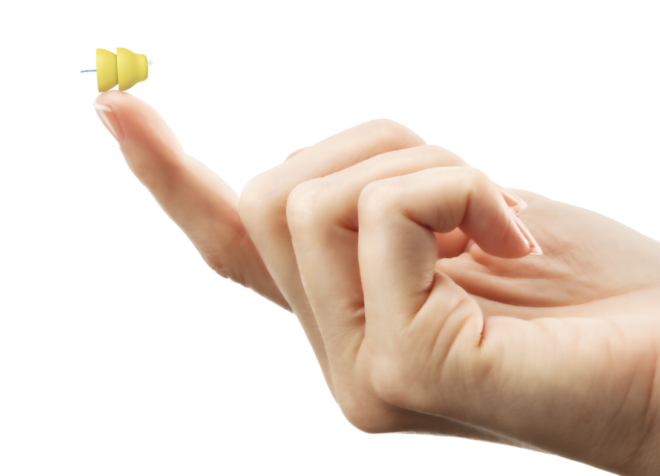
Lyric
An invisible hearing aid to be worn 24/7 for those who are always on the go. There’s no need to replace batteries or remove them at night. This discreet and unique style is also a great solution for those who want peace in knowing that their hearing aid will never be lost, misplaced, or accidentally damaged.
Meet the team
At Ohio Hearing & Audiology, we love our team, and we hope you do, too. We pride ourselves on hiring great hearing professionals who love helping patients improve the way they hear the world.
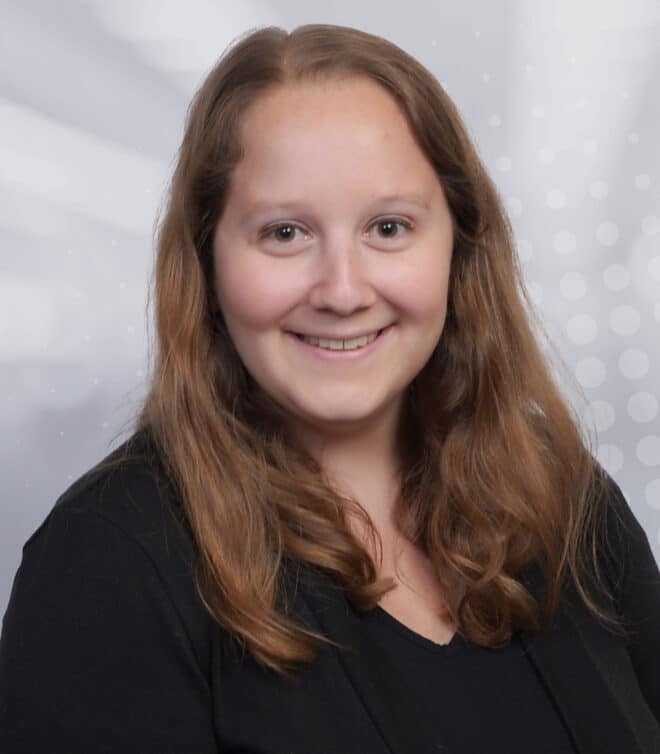
Carly Wohlfeiler
Carly Wohlfeiler, Au.D., graduated with a degree in Speech and Hearing with an audiology concentration from Indiana University. She earned her Doctorate of Audiology from the University of Akron (Northeast Ohio Au.D. Consortium). Carly is passionate about helping people with hearing loss achieve better hearing health and enjoys working with her patients to create individualized treatment plans. “My favorite part of working […]
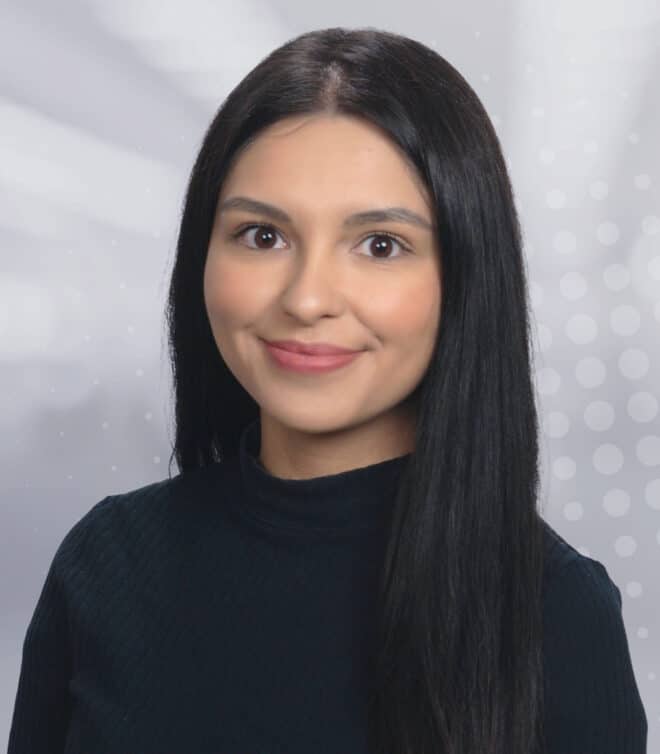
Alexandra Howski
Alexandra Howski, Au.D., has a BS in Communication Sciences and Disorders from Penn State University and completed her doctorate in Audiology at Salus University in Philadelphia, PA. As a fourth-year resident, she worked with patients across the treatment lifespan at Cleveland Clinic’s Main Campus and various Family Health Centers in Ohio. Alexandra became a hearing care provider because she understands how untreated […]